
eSAF is produced by combining green hydrogen with captured carbon to create aviation-grade synthetic fuel using renewable energy. It significantly reduces life-cycle greenhouse gas emissions compared with conventional jet fuel, providing one of the most promising and scalable pathways for the decarbonization of the aviation sector.
Electro-sustainable aviation fuel is a potential lower-lifecycle-emissions pathway for aviation. Suitability depends on the production pathway, fuel qualification, permitted blending and lifecycle assessment. This page describes potential applications; it does not establish current GH2 fuel production or delivery.


Synthetic fuel serves as a critical drop-in alternative perfectly compatible with existing aircraft engines and airport refuelling infrastructure. It allows major airlines to immediately scale back their greenhouse gas footprints on long-haul routes without modifying their active aircraft fleets or investing in capital-intensive new propulsion technologies.
01
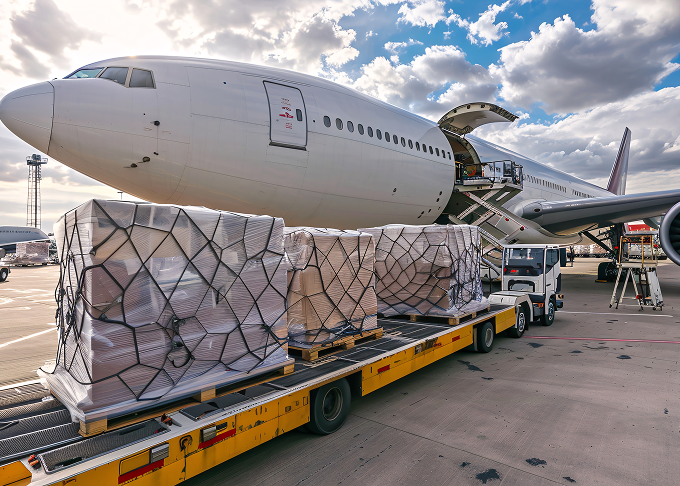
eSAF provides a high-performance, lower-carbon alternative to conventional jet fuel for commercial and cargo aviation. Compatible with existing aircraft and airport fueling infrastructure, it enables airlines and air cargo operators to significantly reduce life-cycle greenhouse gas emissions and support the decarbonization of global aviation.
02

This technology provides long-term, sustainable fuel security for sovereign defence forces by decoupling military aviation networks from volatile global oil supply chains. It ensures operational readiness and high-performance energy resilience, allowing strategic defence fleets to meet modern environmental compliance targets seamlessly.
03

Certified eSAF helps airlines align with evolving global aviation sustainability frameworks, including Carbon Offsetting and Reduction Scheme for International Aviation and regional SAF mandates. It enables commercial operators to reduce life-cycle carbon emissions, support compliance with emerging regulations, and prepare for the transition to a lower-carbon aviation industry.
04

Fuel qualification, permitted blending and handling requirements must be established for the selected production pathway and intended use before integration with aviation fuel infrastructure.
05
Synthetic fuel serves as a critical drop-in alternative perfectly compatible with existing aircraft engines and airport refuelling infrastructure. It allows major airlines to immediately scale back their greenhouse gas footprints on long-haul routes without modifying their active aircraft fleets or investing in capital-intensive new propulsion technologies.
01
eSAF provides a high-performance, lower-carbon alternative to conventional jet fuel for commercial and cargo aviation. Compatible with existing aircraft and airport fueling infrastructure, it enables airlines and air cargo operators to significantly reduce life-cycle greenhouse gas emissions and support the decarbonization of global aviation.
02
This technology provides long-term, sustainable fuel security for sovereign defence forces by decoupling military aviation networks from volatile global oil supply chains. It ensures operational readiness and high-performance energy resilience, allowing strategic defence fleets to meet modern environmental compliance targets seamlessly.
03
Certified eSAF helps airlines align with evolving global aviation sustainability frameworks, including Carbon Offsetting and Reduction Scheme for International Aviation and regional SAF mandates. It enables commercial operators to reduce life-cycle carbon emissions, support compliance with emerging regulations, and prepare for the transition to a lower-carbon aviation industry.
04
Fuel qualification, permitted blending and handling requirements must be established for the selected production pathway and intended use before integration with aviation fuel infrastructure.
05
Our specialised platforms support established eSAF producers in accelerating commercialisation, driving down carbon intensity, and boosting market competitiveness.
Engineering high-capacity electrolyser setups to generate low-cost green hydrogen feedstocks.
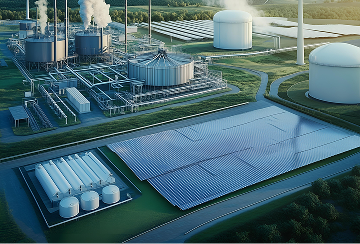
Integrating green hydrogen with advanced point-source carbon capture and synthesis loops.
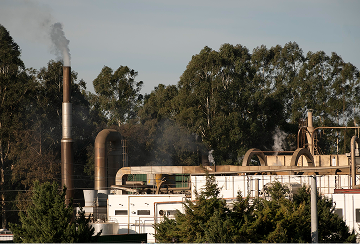
Assessing process requirements and the applicable fuel qualification pathway with specialist technology partners.

Managing end-to-end engineering, procurement, and construction for integrated production facilities.

Assessing traceability and sustainability requirements against the intended market and certification pathway.

Evaluating potential offtake requirements and commercial development pathways.

GH2 Solar develops end-to-end synthetic fuel ecosystems; from renewable power generation and hydrogen production to advanced carbon capture, synthesis, and airfield supply infrastructure. Our solutions are engineered for efficiency, regulatory alignment, and global market competitiveness, accelerating the deployment of commercial sustainable aviation fuel in India to help the aviation sector replace fossil kerosene with scalable alternatives.

